

More Than Vehicle Tracking
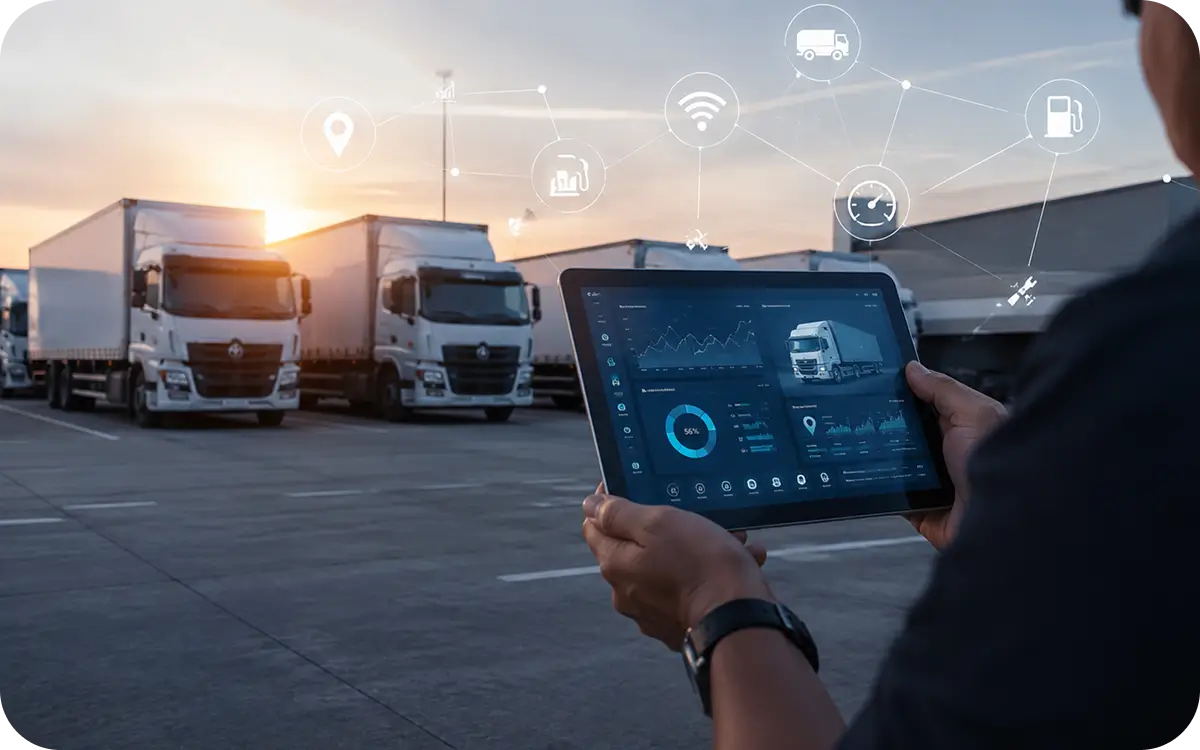
Telematics has evolved far beyond simple GPS tracking. Today, it enables businesses to connect vehicles, drivers, assets, and operations through real-time data, creating a smarter and more efficient transportation ecosystem.
From logistics companies and fleet operators to public agencies and field service organizations, telematics is helping businesses improve visibility, reduce operational costs, strengthen safety, and make better decisions through connected technology.
As transportation becomes increasingly data-driven, organizations that invest in modern telematics platforms are better positioned to optimize operations and adapt to changing business demands.
What Is Telematics?
Telematics combines telecommunications, GPS technology, sensors, IoT devices, and cloud computing to collect, transmit, and analyze data from vehicles and mobile assets.
Rather than relying on manual reporting or delayed updates, businesses gain continuous insight into fleet activity, including:
- Vehicle location and route history
- Driver behavior and safety metrics
- Fuel consumption
- Engine diagnostics and maintenance alerts
- Vehicle utilization
- Asset tracking
- Delivery performance
- Environmental conditions for sensitive cargo
When integrated into a centralized platform, this information becomes actionable intelligence that supports faster and more informed decision-making.
Key Business Benefits of Telematics
Real-Time Fleet Visibility
Operations teams can monitor vehicles in real time, identify delays, optimize routes, and respond quickly to changing conditions. Live visibility improves customer communication while helping dispatchers allocate resources more efficiently.
Predictive Maintenance
Vehicle breakdowns create costly downtime and unexpected service interruptions. Telematics continuously monitors vehicle health, identifying maintenance issues before they become major problems. Predictive maintenance helps extend vehicle life while reducing repair costs and improving fleet reliability.
Improved Driver Safety
Driver behavior analytics provide insight into speeding, harsh braking, rapid acceleration, excessive idling, and distracted driving. Organizations can use this data to develop coaching programs that improve safety while reducing accident-related costs.
Operational Efficiency
Connected fleet data helps businesses optimize scheduling, eliminate unnecessary mileage, reduce idle time, and improve resource utilization. Even small improvements across large fleets can generate significant operational savings.
Fuel Optimization
Fuel remains one of the largest operating expenses for fleet-based organizations. Telematics identifies inefficient driving habits, route inefficiencies, and excessive idling that contribute to unnecessary fuel consumption.
Regulatory Compliance
Many industries require detailed reporting for vehicle inspections, driver hours, maintenance records, and operational compliance. Automated data collection simplifies reporting while reducing administrative effort and improving accuracy.
AI Is Transforming Modern Telematics
Artificial intelligence is changing how organizations use telematics data.
Instead of simply reporting what has already happened, AI enables businesses to anticipate future events and automate operational decisions.
AI-powered telematics platforms can:
- Predict maintenance needs before failures occur
- Detect unusual vehicle behavior
- Optimize delivery routes using live traffic conditions
- Forecast fuel usage
- Recommend operational improvements
- Automate dispatch decisions
- Identify safety risks before incidents occur
As AI models continue learning from operational data, fleet performance becomes increasingly efficient over time.
Building a Connected Transportation Platform
Successful telematics solutions require more than hardware installation. Organizations need scalable digital platforms capable of processing millions of data points while integrating with existing business systems.
A modern telematics ecosystem often includes:
- Mobile applications for drivers
- Fleet management dashboards
- IoT device integrations
- Cloud infrastructure
- Real-time analytics
- AI-powered reporting
- Custom business workflows
- APIs connecting ERP, CRM, dispatch, and maintenance systems
When these components work together, organizations gain a complete operational view across vehicles, drivers, customers, and assets.
Industry Applications
Telematics supports organizations across many industries, including:
Transportation & Logistics
Optimize delivery operations, improve dispatching, and enhance customer visibility.
Construction
Monitor heavy equipment usage, maintenance schedules, and job site assets.
Healthcare
Track medical transport vehicles while improving route planning and response times.
Government & Municipal Services
Increase fleet transparency, improve maintenance planning, and manage public assets more efficiently.
Field Service Operations
Coordinate technicians, reduce travel time, and improve appointment scheduling.
The Future of Intelligent Fleet Management
Connected transportation continues to evolve through AI, automation, predictive analytics, and intelligent decision-making. Organizations that invest in modern telematics platforms gain more than operational visibility—they create a foundation for long-term innovation and scalable growth.
As connected vehicles generate increasing amounts of data, the organizations that can transform that information into meaningful business intelligence will lead the next generation of transportation.
How HubSpire Helps
Telematics is only as powerful as the software behind it.
HubSpire designs and develops custom telematics platforms that bring together IoT devices, cloud infrastructure, AI, mobile applications, and enterprise integrations into a single connected ecosystem. Whether modernizing an existing fleet solution or building a new transportation platform from the ground up, we create scalable software that helps organizations gain real-time visibility, improve operational efficiency, and unlock the full value of connected mobility.